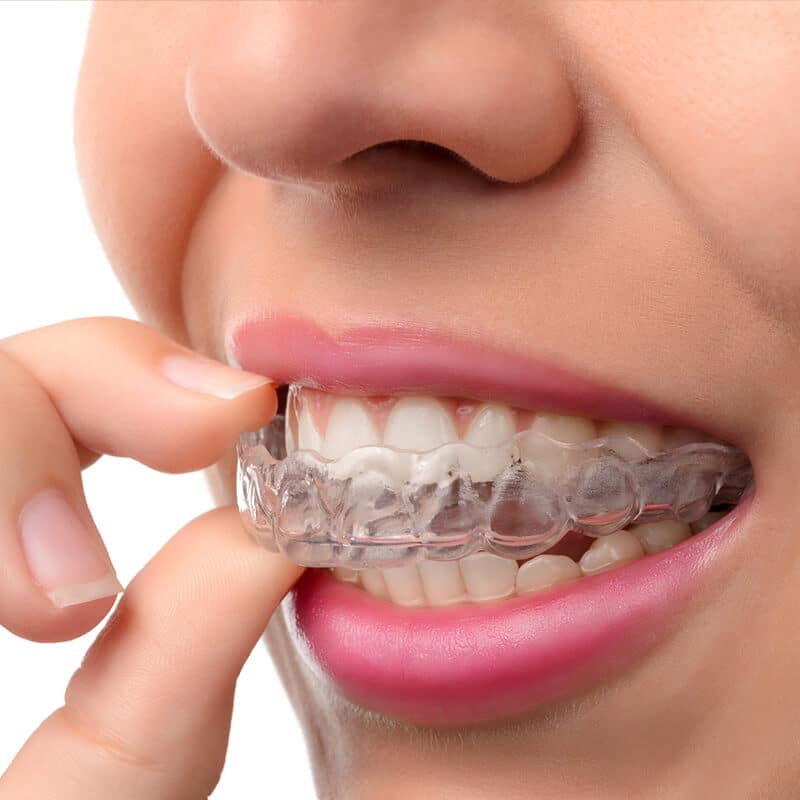
Understanding the Compatibility Between Clear Aligners and Dental Work
The journey towards a straighter smile through Invisalign Leeds has become increasingly popular across the United Kingdom, yet many individuals with existing dental restorations find themselves wondering whether their previous dental work will pose obstacles to treatment. The relationship between invisible orthodontic devices and restorations such as crowns, bridges, veneers, and implants is far more nuanced than one might initially assume, requiring careful consideration and professional assessment before embarking on treatment.
Modern orthodontic technology has advanced considerably, and practitioners who specialise in Invisalign treatments regularly work with patients who have various types of dental restorations in place. The fundamental principle underlying successful treatment lies in understanding how these restorations respond to the gentle, consistent pressure applied by clear aligners throughout the orthodontic process.
How Dental Crowns Respond to Clear Aligner Therapy
Dental crowns represent one of the most common restorations that patients bring to their orthodontic consultations. These tooth-shaped caps, which cover damaged or weakened teeth, generally interact well with clear aligners, though certain considerations must be addressed. The surface texture of crowns differs from natural tooth enamel, which can affect how attachments—small tooth-coloured bumps that help aligners grip teeth—adhere to the restoration.
The material composition of the crown plays a significant role in treatment planning. Porcelain and ceramic crowns typically provide sufficient surface area for aligner contact, whilst metal crowns may require alternative approaches. Understanding whether crowns, bridges, or veneers affect Invisalign eligibility helps patients set realistic expectations before beginning treatment.
The Science Behind Aligner Pressure and Restoration Stability
Clear aligners function by applying controlled forces to teeth, gradually shifting them into desired positions over time. When restorations are present, orthodontic specialists must consider whether these forces might compromise the integrity of the dental work. Fortunately, the gentle nature of aligner therapy typically poses minimal risk to well-executed restorations that have been properly bonded or cemented in place.
The key concern revolves around whether the restoration itself will move along with the natural tooth structure beneath it. In most cases, crowns that have been securely attached will move as a single unit with the underlying tooth, responding predictably to the orthodontic forces applied by the aligners.
Bridges and Fixed Prosthetics: Special Considerations
Dental bridges present unique challenges within clear aligner treatment due to their fixed nature connecting multiple teeth. Unlike individual crowns, bridges anchor several teeth together, which can limit the independent movement required for comprehensive orthodontic correction. The success of treatment depends largely on the location and span of the bridge, as well as the specific tooth movements needed to achieve the desired outcome.
In many instances, orthodontists can work around bridges by focusing tooth movement on the unrestored teeth whilst maintaining the bridge’s position. However, some complex cases may require bridge removal and replacement after orthodontic treatment concludes. Exploring treatment options when crowns are present provides valuable insight into how practitioners navigate these situations with careful planning and patient communication.
Veneers and Bonding Materials During Aligner Treatment
Porcelain veneers, those thin shells that enhance the appearance of front teeth, generally accommodate clear aligner therapy quite effectively. The smooth surface of veneers does, however, present challenges when orthodontists need to attach the small composite buttons that facilitate specific tooth movements. Alternative attachment positions or modified treatment approaches often provide satisfactory solutions.
Composite bonding materials used to repair chips or reshape teeth typically withstand the forces exerted by aligners without issue. The orthodontist may need to adjust or replace bonding after treatment to ensure the final aesthetic result aligns with the newly positioned teeth. Learning about Invisalign compatibility with various dental restorations empowers patients to make informed decisions about their orthodontic journey.
Dental Implants and Their Role in Treatment Planning
Dental implants occupy a distinct category within orthodontic planning because, unlike natural teeth, they lack the periodontal ligament that allows tooth movement. Implants remain fixed in position throughout aligner therapy, serving as stable anchor points around which other teeth can be repositioned. This characteristic can actually prove advantageous in certain treatment scenarios, providing predictable reference points for tooth alignment.
Achieving Optimal Results With Existing Restorations
The interaction between clear aligners and existing dental restorations ultimately depends on thorough assessment, strategic planning, and open communication between patient and practitioner. Modern orthodontic techniques accommodate a wide range of dental histories, allowing individuals with restorations to pursue straighter smiles with confidence. Professional evaluation remains essential to determine the most appropriate treatment approach for each unique situation, ensuring both orthodontic success and the longevity of existing dental work.